Four Steps into Work Experience
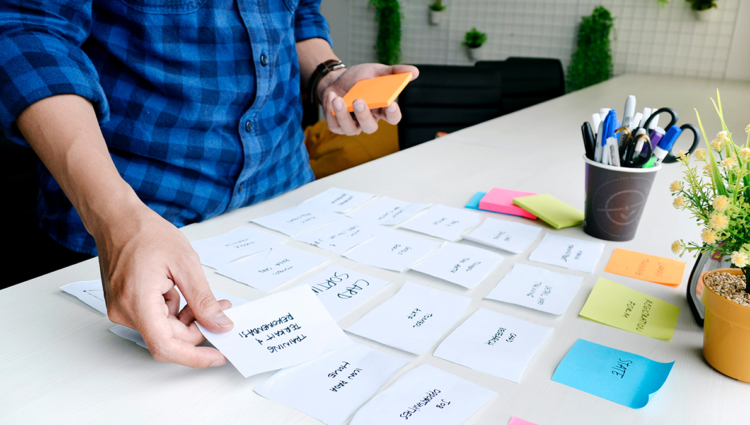
Find out everything you need to know about work experience as a blind or partially sighted student in our handy four step guide.
Find out more about 'Four Steps into Work Experience'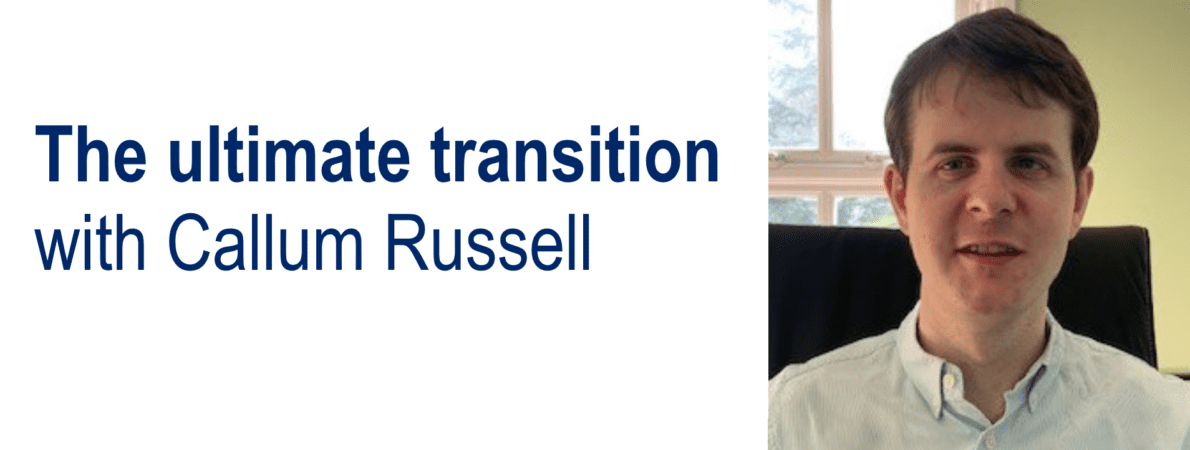
The session ‘The Ultimate Transition’ on the final day of the Lost in Transition conference, held in June 2021, was engaging and solutions-focussed on how young people with vision impairment can be better supported to make the transition from full time education into employment.
It looked at the barriers to employment and possible solutions, as well as ideas on how to put these into place. The thread that ran throughout the session was the importance of putting these measures into place while children are still at school.
Callum Russell from CrystalEyes, a consultancy that provides tailored vision impairment support and training, led the session. Formerly a student at the University of Birmingham and a member of the steering group, Callum has been involved in the transition study almost from the start.
Attendees shared their thoughts on the barriers blind and partially sighted people face in getting a job. These included:
Barriers also focussed on the lack of awareness among young people of the organisations that can help them when there is no QTVI to point them in the right direction, a lack of confidence in mobility, and the energy needed in having to constantly self advocate.
Focusing specifically on work experience, Callum said: “Work experience for young people with vision impairment is valuable and essential. It builds up a wealth of experience to demonstrate skills and attributes employers would value and make use of.”
Many young people are not offered this work experience because they are often considered unsuitable. They are also often responsible for having to find their own placement. Access to Work doesn’t support unpaid work placements, meaning that employers would need to pay for expensive adjustments, such as screen reading software, out of their own pockets. This can be off-putting.
Employers being unaware about Access to Work is a real issue. This government grant can fund adjustments in the workplace, such as accessible tech, support workers and transport to, from and within work. There are limitations; such as you can’t apply until you have secured a job, it does not support unpaid work experience and can take some time to put in place.
The session talked at length around the importance of self advocacy and how exhausting students find this. Callum pointed out that many companies will never have had a blind or partially sighted employee and not know how to support their needs. It is essential young people learn how to self advocate at an early age.
He said: “This has to start at school. This will make it less exhausting later as it becomes the norm. For example, in explaining their eye condition, employers are not interested in the science. They just want to know what an employee can or can’t see and the implications of this in terms of their role. We must encourage self advocacy at an early age.”
Although there may be more people working from home, employers will expect employees to travel as part of their job. Not attending a meeting because you do not know where to go is not acceptable. So we need to ensure students are confident travelling by bus, train and explaining to taxis where to go.
Assistive technology training needs to be geared around the workplace. It is fine to use iPads and braille notetakers but there are core skills students with vision impairment need to leave school with including touch typing and the ability to use Windows.
Callum explained: “Almost all employers use Windows. Students must be proficient in the basics for Word, Excel, Powerpoint and email well before they enter the job market. Employers can provide training but students need to be up to speed with the technology commonly used in the workplace. Early access to the assistive technology they are likely to use in the workplace is key.”
Summing up these points, Callum said:
“If a student has good mobility, is confident in self advocating and has a good knowledge around assistive technology, they will then have the confidence to apply for roles and challenge inaccessible arrangements.
“Work experience or shadowing gives them the confidence and ability to showcase their talent and show employers why they should be the chosen candidate. We absolutely need to look at the skills that young people are leaving school and college with.”
Attendees were invited to share their thoughts and ideas on how they can deliver their services differently. These included:
CrystalEyes is a consultancy providing specifically tailored vision impairment support & training. It works with businesses, local authorities, the education sector, charities and museums, helping them to diversify their workforce, make them more inclusive and effective and support them in the requirements of the Equality Act. Founded by Callum Russell, CrystalEyes offers training, guidance and advice to organisations on working with people with vision impairments and supports individuals to fulfil their potential.
Find out everything you need to know about work experience as a blind or partially sighted student in our handy four step guide.
Find out more about 'Four Steps into Work Experience'Discover how technology can super-charge your education as a blind or partially sighted student. Check out our informative guides and resources to get started!
Find out more about 'Technology in Education'Find out how to navigate work placements during your university degree and how to make the most out of the experience.
Find out more about 'How to Navigate Work Placements at University'Find out about our Education Information Advice and Guidance Service, and how it can support blind and partially sighted students to get the most out of their education.
Find out more about 'Education Information Advice and Guidance Service'
This online community is for blind and partially sighted students, family and friends, education providers and other staff in the sector. It forms a supportive environment where relevant news, advice, questions and pieces of work can be shared to enable students with visual impairments to get the most out of their time at university.
Join our Facebook group