

Join our mailing list
Get the latest on our campaigns, news and events from Thomas Pocklington Trust by joining our mailing list
Date posted: 2nd February 2026
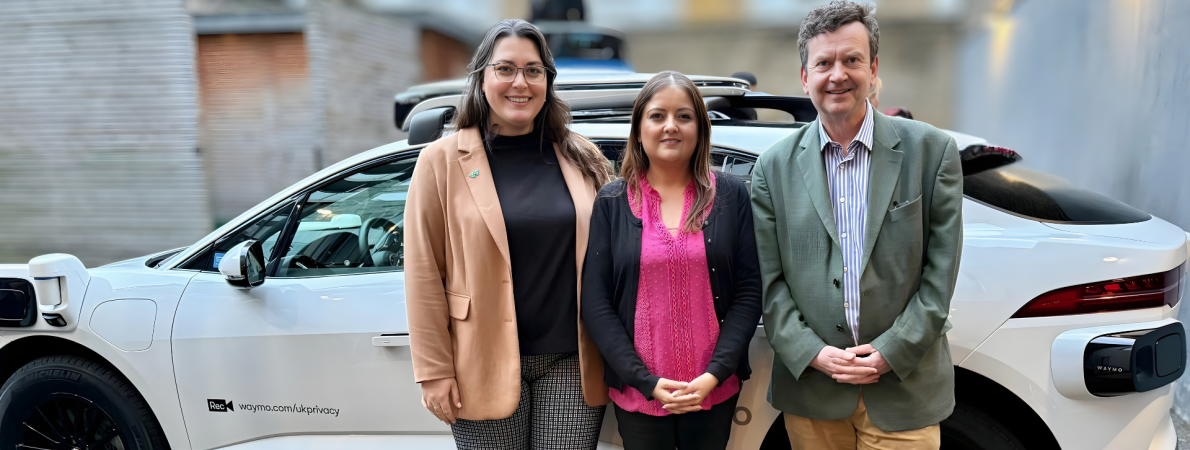
On 29 January, Thomas Pocklington Trust (TPT) hosted Waymo at its London offices for a free event exploring how autonomous transport could impact blind and partially sighted people.
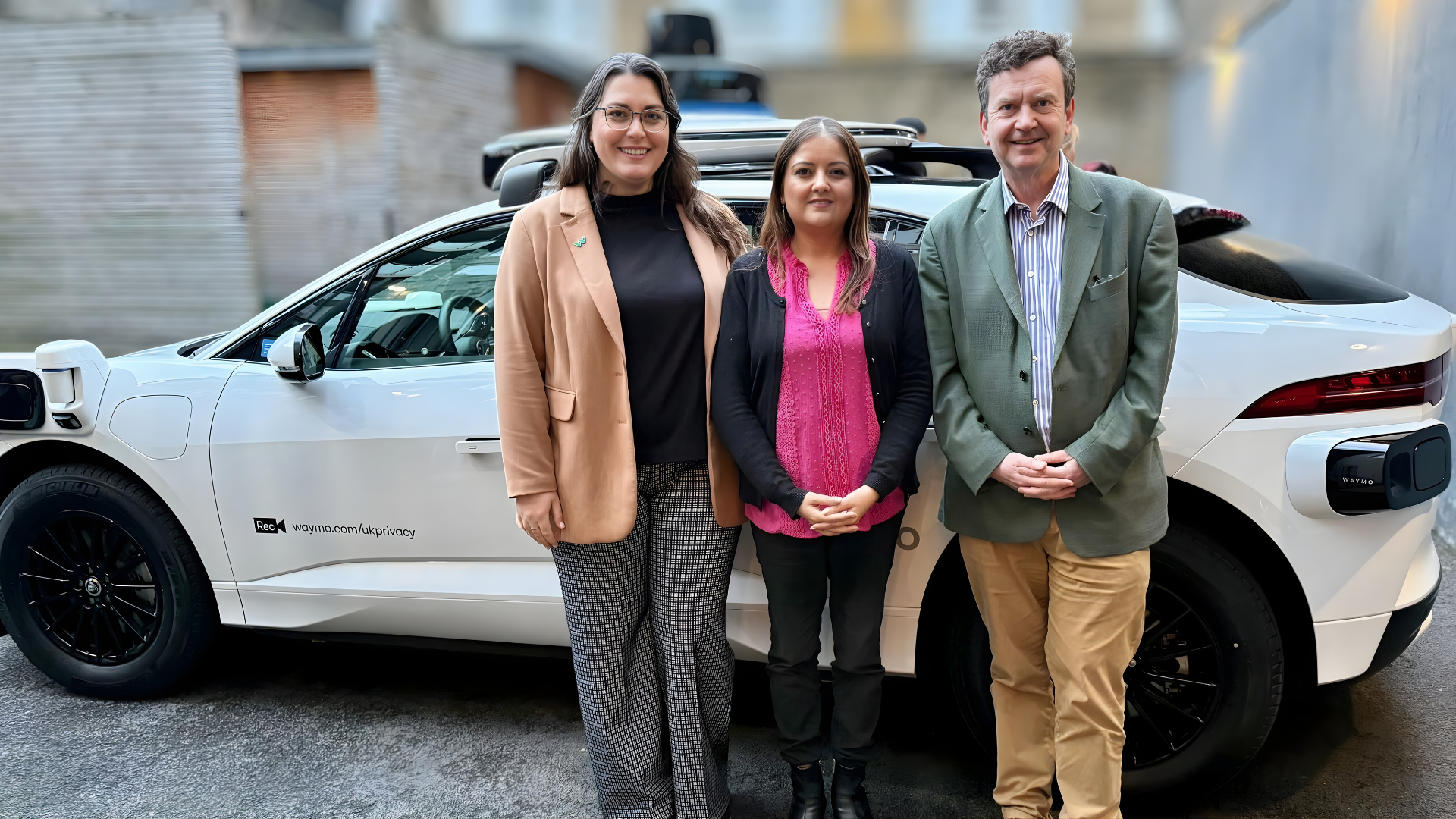
Automated, driverless vehicles are expected to begin operating on London’s roads later this year, raising important questions about accessibility and independent travel for blind and partially sighted people.
The event was fully booked, with 40 people attending in person and 75 additional attendees joining online. Participants included blind and partially sighted people, some accompanied by guide dogs, reflecting strong interest in how emerging transport technologies could support independence and dignity in travel.
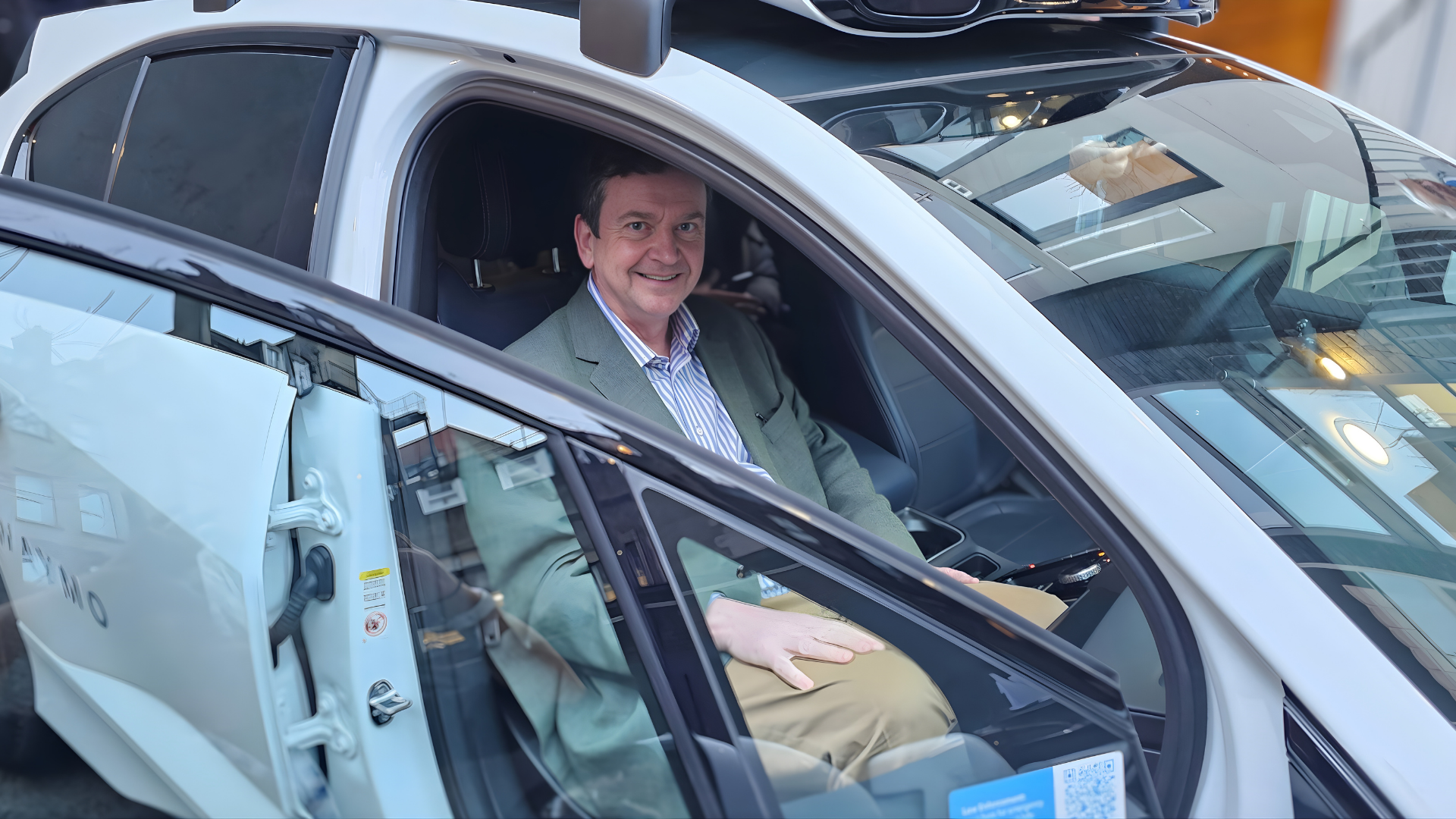
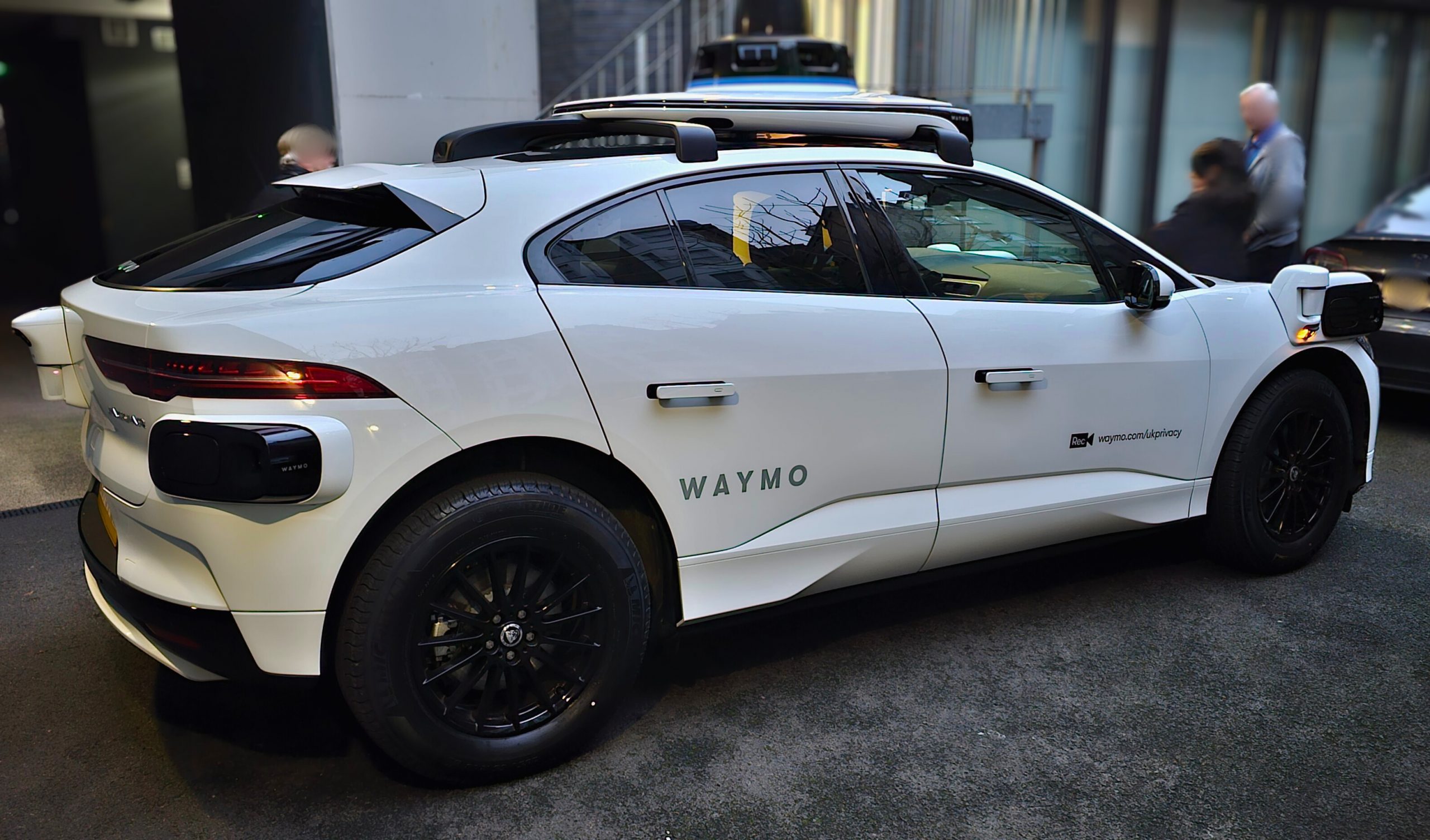
Waymo brought one of its driverless vehicles to the event, allowing attendees to see the car up close and learn more about how the technology works. The event was opened by TPT’s CEO Charles Colquhoun and Policy and Campaigns Manager Bhavini Makwana. Amanda Ventura, from Waymo Public Affairs delivered a presentation about the organisation.
Waymo’s service is expected to operate through an app-based booking model, similar to existing private hire services. Discussions focused on digital accessibility, safety, and how blind and partially sighted people might book journeys, identify vehicles and access support independently.
For blind and partially sighted people, taxis and private hire vehicles are a vital part of daily life, providing flexible access to work, education, healthcare and social activities. However, barriers such as inaccessible apps, poor driver conduct and inconsistent enforcement continue to limit independence.

Attendees also discussed how autonomous services could reduce persistent barriers for guide dog users. Despite legal protections, refusals by taxi and private hire drivers remain a significant issue. A driverless service, where journeys are delivered without a human driver, could help remove this barrier and provide a more consistent experience.
Charles Colquhoun shared:
“Taxis and private hire vehicles will be a valuable addition to blind and partially sighted people’s independence. As autonomous services begin to emerge, it’s vital that accessibility is considered from the start. Events like this ensure blind and partially sighted people are part of the conversation early, helping to shape transport modes that work for everyone.”
Bhavini Makwana added:
“As both a campaigner and a guide dog user, I know how much independent travel depends on inclusive and accessible transport modes. This event was about examining whether autonomous vehicle services can be designed to remove existing barriers, rather than recreate them in new forms. New innovations should think about all users from the forefront, and this can only be achieved with co-production”
The event forms part of Thomas Pocklington Trust’s wider transport campaigning work, which calls for inclusive design, accessible booking systems and accountability across all forms of transport.
To learn more visit: Transport – Thomas Pocklington Trust
Images: