
Join our mailing list
Get the latest on our campaigns, news and events from Thomas Pocklington Trust by joining our mailing list
Date posted: 18th June 2026
Developed in partnership with Thomas Pocklington Trust (TPT), the National Breast Imaging Academy (NBIA) has launched a new e-learning module to improve the accessibility and inclusivity of breast imaging services for blind and partially sighted (BPS) people.
Co-developed with e-Learning for Healthcare (eLfH) and NHS colleagues at St George’s National Breast Education Centre, the module is the first in a planned series focused on making screening and breast imaging services more accessible.
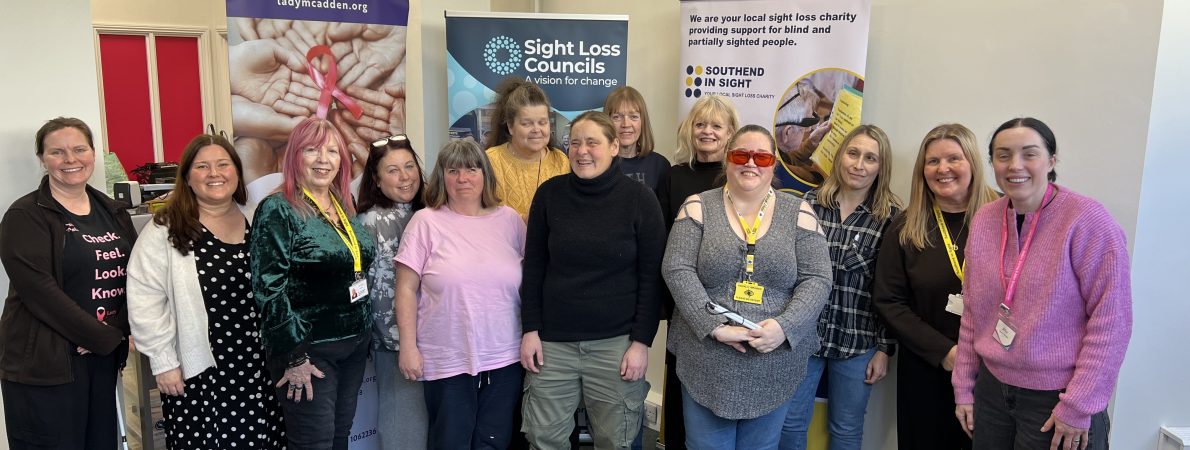
Through this partnership, TPT helped shape the training using lived experience. This includes through three female staff sharing their personal stories throughout the session, bringing to life what good support looks like in practice and showing how small changes can make a significant difference to patient experience. They shared about their involvement:
Cathy Low, Director of Partnerships:
“This learning module should result in blind and partially sighted women getting the best screening experience possible.”
Beverly Duguid, TPT Research & Insights Manager:
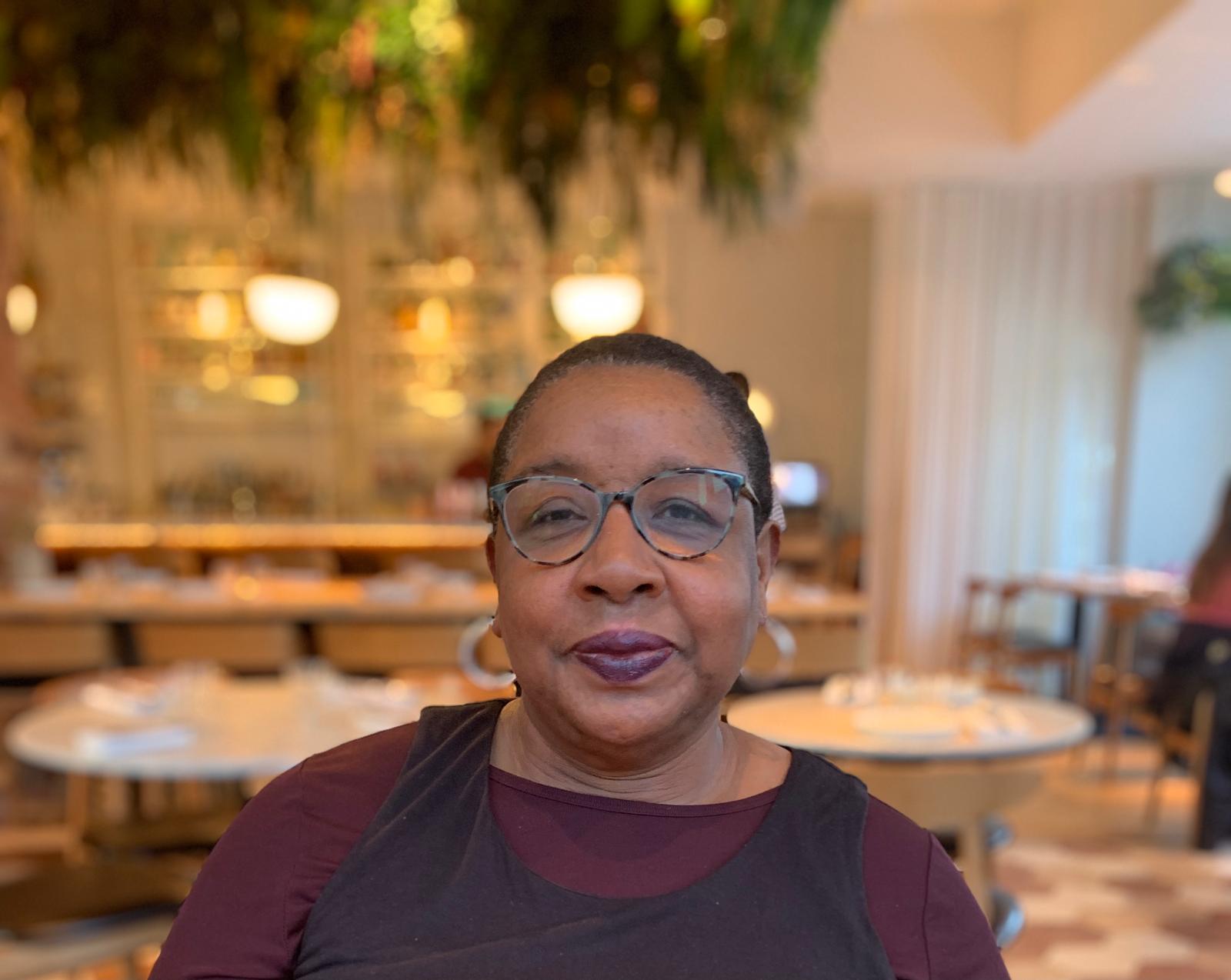
“I’m very proud to be involved a project that will make a big difference to women”
Maria Moorhouse, TPT Employment Coordinator:
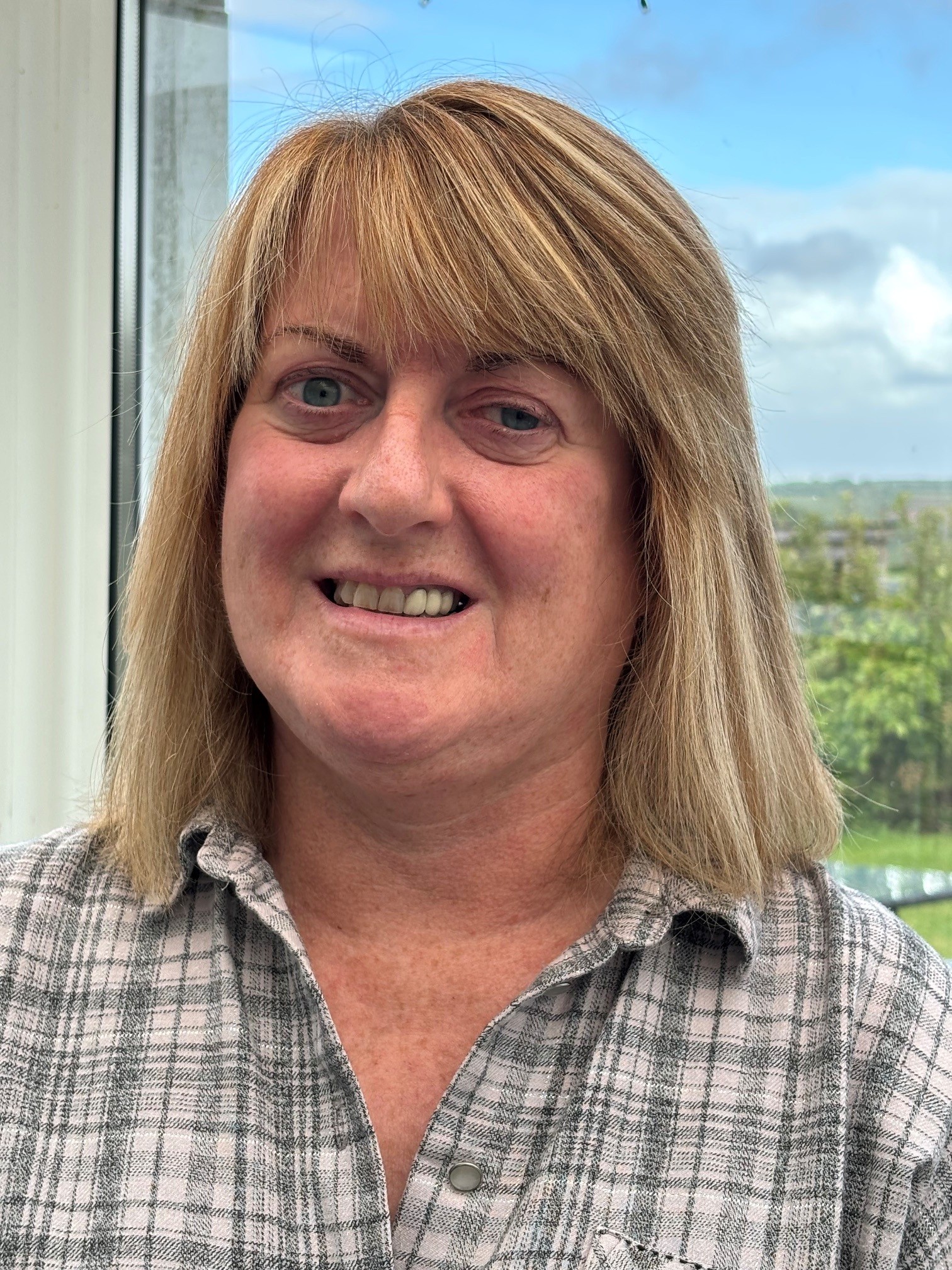
“It was a pleasure to share my experience to help improve screening services for women in future.”
Breast screening is offered every three years to people registered female aged 50 -71, and early detection through mammography can be life‑saving. However, evidence shows that women with disabilities are significantly less likely to attend screening. For blind and partially sighted women, barriers can arise at every stage of the process – from inaccessible appointment letters to challenges navigating a screening environment, limited staff awareness, or previous negative experiences. Even when reasonable adjustments are available, they are not always offered because individual needs are not consistently recorded.
The new online session aims to support staff to understand and respond to these barriers with confidence. It explores the impact of sight loss, communication strategies, legal responsibilities, preparing the screening environment, and practical considerations such as sighted guiding, technique modification and supporting people who may feel anxious. A dedicated section features lived‑experience video stories, offering real insight into what helps, what doesn’t, and what compassionate, inclusive care looks like in practice.
Charles Colquhoun, CEO of TPT said on the launch of the new module:
“Too often, blind and partially sighted people face unnecessary barriers when accessing routine healthcare, including breast screening. This new training module shows how relatively small, practical changes can make a big difference to someone’s experience. By working closely with the NHS, education partners and people with lived experience, this programme helps embed accessibility into everyday practice and whilst directly supporting our Make Health Accessible campaign by tackling barriers to vital healthcare.”
Dr Megan Bydder, Lead for the NBIA Online, said:
“The new session will be hosted on the NHS e‑Learning for Healthcare platform as part of the NBIA Online programme. We’re looking forward to the training being available as part of the induction for new breast imaging staff and we will be promoting it to existing teams and students across the country. It demonstrates what can be achieved when the NHS works closely with third‑sector partners and people with lived experience.”
Dr Bydder added:
“We hope this will be the first of several e‑learning sessions that help embed inclusive practice in breast imaging and screening and ensure that every person attending for breast imaging feels prepared, supported and welcomed.”